A cleaner tray sounds lovely; choosing an appliance your cat will actually use matters more. We recommend the Neakasa M1 Plus for a busy shared tray. The Neakasa M1 Plus Lite earns its place when identifying individual cats matters. For an older cat, the UBPet C41’s lower entrance changes the decision. Our analysis looks at access, waste storage and the chores that remain, so you can choose around life with your cat rather than the appeal of another appliance.
Contents
- Which automatic litter box should you choose when several cats share a tray?
- For a larger cat, choose a self-cleaning litter box around size and access
- An older cat needs an automatic litter box with an easier entrance
- Will your automatic litter box leave enough room in a small bathroom?
- The Neakasa M1 Plus makes removable parts and standard bags its practical appeal
- Frequently asked questions
- Can the Neakasa M1 Plus, M1 Plus Lite or UBPet C41 use silica or clumping litter?
- Do automatic litter boxes need special waste bags?
- Which automatic litter box should I choose for several cats?
- Is an automatic litter box a sensible choice for an older cat?
- Does an automatic litter box remove all the cleaning?
Which automatic litter box should you choose when several cats share a tray?
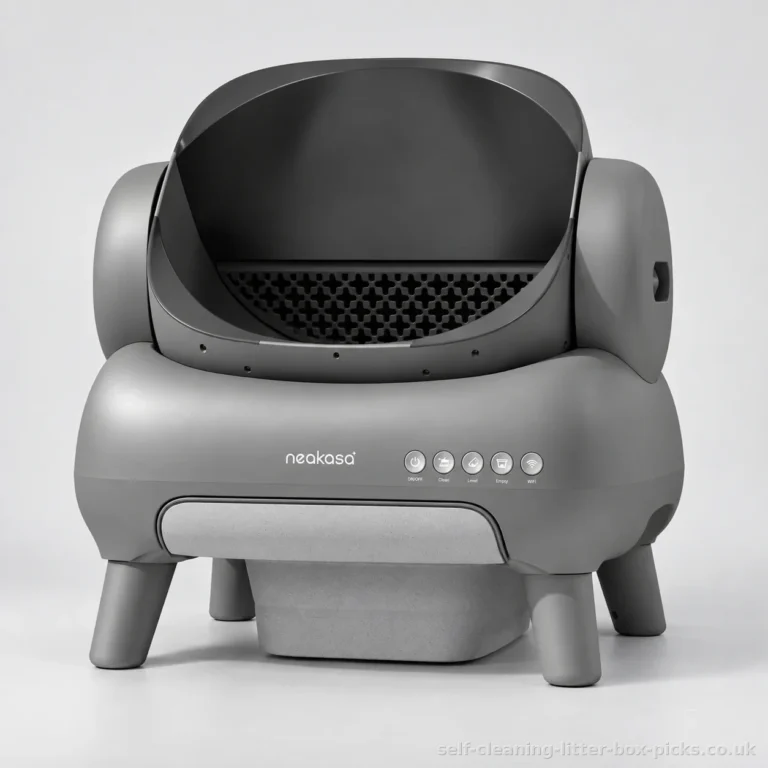
For a household with several cats, we would choose the Neakasa M1 Plus. An open tray, substantial waste storage and removable components make a persuasive combination for a frequently visited litter spot. It sits among the best-rated models in our selection, with waste capacity and equipment particular strengths. Our recommendation comes from analysing its specifications and how those provisions fit the remaining household jobs.
The waste drawer holds 11.23 L, putting the Neakasa M1 Plus among the strongest choices for waste storage. That means a generous receptacle for collected waste, potentially allowing longer gaps between emptying. Waste drawer capacity does not establish how many days it can go without emptying: that depends on the number of cats and the litter used. A busy tray still needs attention, even when the scoop has less to do.
Its litter tray capacity is 7.17 L. Keep that figure separate from waste storage: the tray holds litter for your cat to use, while the drawer collects what the cleaning process removes. A large waste drawer cannot replenish the tray for you. Build both jobs into the routine, particularly when several cats are relying on the same appliance throughout the day.
We like the removable waste bin, detachable globe and compatibility with standard waste bags. They address the less glamorous side of ownership: getting waste out, reaching parts for cleaning and replacing the liner. An airtight waste compartment also gives this model an odour-control provision. If the tray lives near the hallway, that matters when friends arrive and hang their coats nearby, although it is no promise that every smell disappears.
Before a weekend away, show the neighbour how the drawer comes out and where the replacement bags live. Automatic cleaning should make their visit more manageable, without leaving them to work out the maintenance while a hungry cat supervises. Choose this model for substantial shared-tray storage and practical removable parts. Avoid it for an older or stiff cat that struggles with raised entrances: its 35.2 cm threshold makes the climb a serious part of the decision.
For a larger cat, choose a self-cleaning litter box around size and access
The Neakasa M1 Plus open tray is our recommendation for a larger cat that comfortably manages a raised entrance. Its XXL size and open format give it a clear role here. The maximum cat weight is 15 kg, a manufacturer limit consistent with its intended use for larger cats. Stay within the manufacturer’s weight limits, then consider whether your cat can comfortably enter and settle in the tray.
Body weight is only part of the choice. Consider how your cat approaches the current tray, steps across its edge and settles into position. A cat that already favours an open tray gives you a practical reason to consider an open replacement. That preference belongs alongside access, rather than disappearing beneath a collection of attractive appliance features. Your cat has no interest in winning an argument with a specification sheet.
The Neakasa M1 Plus Lite is our recommendation when a larger cat shares the tray and identifying individual visitors is a priority. Its monitoring feature is multi-cat identification. The Plus provides a visit counter, which records visits rather than offering that individual identification feature. Choose the Lite when who visited matters to you. It also has an open tray and a manufacturer maximum cat weight of 15 kg.
The Lite’s litter tray holds 7.17 L, while its waste drawer holds 11.23 L. These are separate spaces doing separate jobs. The latter is a substantial drawer suited to the demands of a shared tray. Standard waste-bag compatibility also keeps the liner-changing routine straightforward. Finding a suitable bag in the cupboard is a small domestic victory, particularly when the cat is waiting beside you with managerial authority.
What holds us back is the Lite’s entrance height of 35.2 cm. That is a high step for an older or stiff cat, so avoid this model if climbing already looks difficult. The manufacturer lists infrared and weight sensors as safety features; these provisions are not a guarantee of the cat’s safety. Our recommendation depends on comfortable access first. Extra monitoring cannot make a demanding entrance easier to cross.
An older cat needs an automatic litter box with an easier entrance
For an older cat, we recommend the UBPet C41 lower-entry option. Its entrance threshold is 20.3 cm, providing a lower step for a cat that may find climbing awkward. This is a concrete reason to choose it. If reaching the litter has become a careful manoeuvre, easier access has a direct bearing on the appliance’s usefulness every time your cat approaches it.
Look at the ordinary journey to the existing tray. Does your cat hesitate at the edge or lift their back legs cautiously? A change in movement or toileting habits belongs in a conversation with your vet. Choosing around access can make the household arrangement more considerate, but an appliance is no answer to discomfort. Keep the approach clear too: a lower entrance achieves little if a laundry basket blocks the route.
The usable interior volume is 106 L. Treat that as a description of internal space, separate from the entrance height and the room occupied by the appliance itself. For an older cat, we would organise the surrounding area so they can approach directly. Avoid squeezing the appliance behind something that forces a tight turn immediately before the step. The route matters as well as the opening.
Among these 3 recommendations, the UBPet C41 has the smaller waste drawer at 6.7 L. The Neakasa M1 Plus provides substantially more waste storage. The Neakasa M1 Plus Lite also offers a larger drawer. That leaves a clear choice between easier access and more room for collected waste. The lower-entry option needs frequent emptying, especially with several cats, although its removable waste bin helps with the job.
An airtight waste compartment provides odour control, without changing how much the drawer holds. Choose the C41 for the lower entrance; avoid it when substantial waste storage for a busy shared tray is the main requirement. The manufacturer states a minimum cat weight of 1 kg. As manufacturer instructions require, a kitten below the stated minimum weight must not use automatic mode: this is an operating instruction, never an appliance capability. The manufacturer also lists a weight sensor as a safety feature, without guaranteeing the cat’s safety.
Will your automatic litter box leave enough room in a small bathroom?
The bathroom corner can look available until you open the door, reach for a towel or try to remove the waste drawer. Choose a position around those ordinary movements. Your cat needs a clear approach, and you need access for replenishing litter and cleaning. An appliance that fits between the wall and the laundry basket can still make a surprisingly awkward housemate.
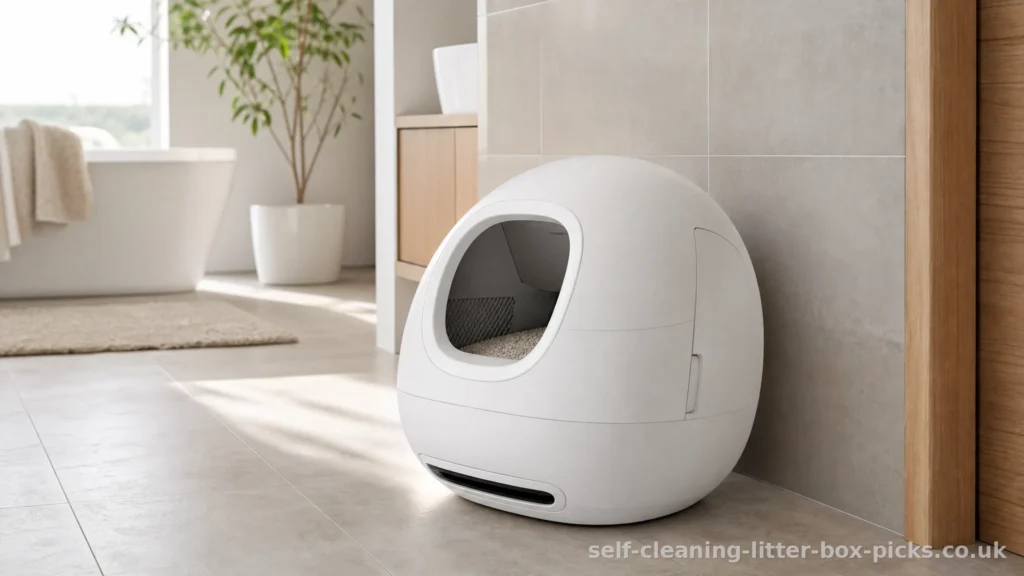
The UBPet C41 measures 50.8 cm wide, 63 cm deep and 57.1 cm high. Mark that outline on the floor before committing to its position. Open the door fully, stand where you would empty the bin and consider the cat’s route into the entrance. Those dimensions describe a substantial object in a small room. We recommend this model for an older cat only where the surrounding arrangement preserves the benefit of its lower step.
The manufacturer quotes 42 dB during cleaning, so consider the bathroom’s proximity to your bedroom before choosing its position. That figure describes the cleaning cycle, rather than promising a silent presence beside the landing. If the only available spot backs onto the room where you sleep, sound deserves a place in your decision alongside the footprint. A neat fit is only part of living with an appliance.
The UBPet C41 is the lightest of these choices at 10 kg. The Neakasa M1 Plus Lite shares the higher weight at 10.35 kg. The weights are close, so this criterion should not decide your choice. These are appliances to carry with both hands, rather than casually shift while holding a mop. The Neakasa M1 Plus weighs 10.35 kg, bringing the same practical need to plan for lifting and cleaning around it.
For a busy shared tray, we would still choose the Plus where the cat can manage the entrance and the room allows routine access. Its substantial waste storage directly serves that situation. For an older cat, our recommendation remains the C41 where its dimensions fit comfortably. Avoid either choice if removing waste means repeatedly dragging the whole appliance out of a cramped gap. A convenient cleaning mechanism needs a sensible place to live.
The Neakasa M1 Plus makes removable parts and standard bags its practical appeal
An automatic self-cleaning litter box changes the household work; it does not abolish it. Waste still leaves the house through you, litter still needs replenishing and the appliance still needs cleaning. The useful buying question is which model makes those remaining jobs manageable. Start with your cat’s access, then consider the demands created by the number of cats using the tray.
For substantial waste storage and removable cleaning components, our choice is the Neakasa M1 Plus for shared trays. Its removable bin and detachable globe give you concrete maintenance provisions to build into a routine. Keep replacement bags somewhere convenient and make drawer attention part of the arrangements when someone else feeds your cats. A generous drawer is useful breathing room, rather than an invitation to forget what is inside it.
We like the Lite’s standard waste-bag compatibility alongside its multi-cat identification. Choose it when knowing which cat visited is a priority in a household whose cats can manage its raised entrance. Avoid it when stiffness makes that climb difficult. For an older cat needing a lower step, our choice remains the C41. Its more frequent drawer-emptying requirement is a compromise we would accept when access is the pressing concern.
Keep monitoring features in their proper place. The Plus has a visit counter, while the C41 provides weight monitoring. Visit counts and weight records cannot tell you whether your cat is healthy; discuss changes in habits with your vet. Records can help you describe what you have noticed, but they should never become reassurance that delays that conversation. Choose monitoring for the information it provides, without treating it as a medical assessment.
Give the new arrangement time to become familiar. Manufacturer instructions recommend a gradual transition: initially leave the appliance switched off or in manual mode for a few days, with the old litter tray alongside. Keep that familiar option available while your cat gets accustomed to the newcomer. Choose around the difficulty you actually want to solve, then introduce the appliance at the cat’s pace. The machine may arrive ready for work; its intended user may prefer to inspect the packaging first.
Our picks for this topic
The automatic litter boxes we recommend here
| Model | Score | Maximum cat weight | Litter tray capacity | Deal |
|---|---|---|---|---|
 Neakasa M1 | 8.1/10 | – | 6.5 L | Check price on Amazon →Our review |
 Neakasa M1 Plus | 8.9/10 | 15 kg | 7.17 L | Check price on Amazon →Our review |
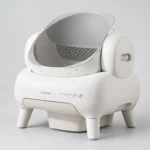 Neakasa M1 Plus Lite | 8.5/10 | 15 kg | 7.17 L | Check price on Amazon →Our review |
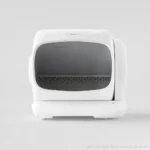 UBPet C41 | 8.1/10 | – | – | Check price on Amazon →Our review |
Selected based on our reviews: models relevant to this guide, rated using the same criteria as our full catalogue. Prices change: check the retailer for current pricing. As an Amazon Associate, we earn from qualifying purchases.
Frequently asked questions
Can the Neakasa M1 Plus, M1 Plus Lite or UBPet C41 use silica or clumping litter?
For each of these models, follow the manufacturer’s compatibility instructions before choosing silica or clumping litter. Use a type expressly approved for the appliance. Keeping your current litter is sensible only if those instructions support it; changing the cleaning routine should not mean guessing what belongs in the tray.
Do automatic litter boxes need special waste bags?
The Neakasa M1 Plus is compatible with standard waste bags. The Neakasa M1 Plus Lite also accepts standard waste bags. Either is a sensible choice when straightforward consumables matter. Keep suitable replacement bags nearby so changing the liner remains an easy household job.
Which automatic litter box should I choose for several cats?
Choose the Neakasa M1 Plus for substantial waste storage and removable cleaning components. Choose the Neakasa M1 Plus Lite when multi-cat identification matters. Waste drawer capacity does not establish how many days it can go without emptying: that depends on the number of cats and the litter used.
Is an automatic litter box a sensible choice for an older cat?
The UBPet C41 is our recommendation because its 20.3 cm entrance provides a lower step. Avoid a high entrance if your cat struggles to climb. Keep the approach clear, introduce the appliance gradually and discuss changes in movement or toileting habits with a vet.
Does an automatic litter box remove all the cleaning?
No. You still empty the waste drawer, replenish litter and clean the appliance. The Neakasa M1 Plus provides a removable waste bin and detachable globe for those remaining jobs. Choose automatic cleaning to make the routine more manageable, while keeping regular maintenance firmly in the diary.
Was this article helpful?
0% of readers found it helpful (0 reviews)